
Know the latest trends
Technology in its broadest sense is now more important than ever in the practice of surgery in other countries . This technology can be as wide-reaching and universal to medical practice as the computerized medical record or digital radiography, or as specific as a new type of laparoscopic instrument or new stent for the management of coronary artery disease.
The issues around new technology are, in my opinion, rather poorly understood, and to my knowledge, there is very little guidance on the most effective way to introduce new technology to medical practice.1
Orthopedic surgery is an excellent example of how technology changes the practice of medicine. The routine use of intramedullary nailing in the management of femoral shaft fractures is now the standard of care throughout North America and Europe. Not that long ago, however, closed intramedullary nailing of femoral shaft fractures was a specialized procedure, done only in certain hospitals by specifically trained practitioners, using expensive medical imaging devices and relatively expensive implants. Thirty years ago, many patients with femoral shaft fractures in this country were being treated by traction with balanced suspension. A recent trip to Uganda to participate in some teaching brought me back to that era of fracture care. Dozens of patients were being treated by means of traction for femoral shaft fractures. The “new technology” of intramedullary nailing had not yet penetrated this hospital, not because the surgeons were ignorant of the technique involved and not because the implants were unavailable, but because the infrastructure required to introduce the technology was not there.
About Us
Our Beliefs
We believe in a world where technology has become the new normal.
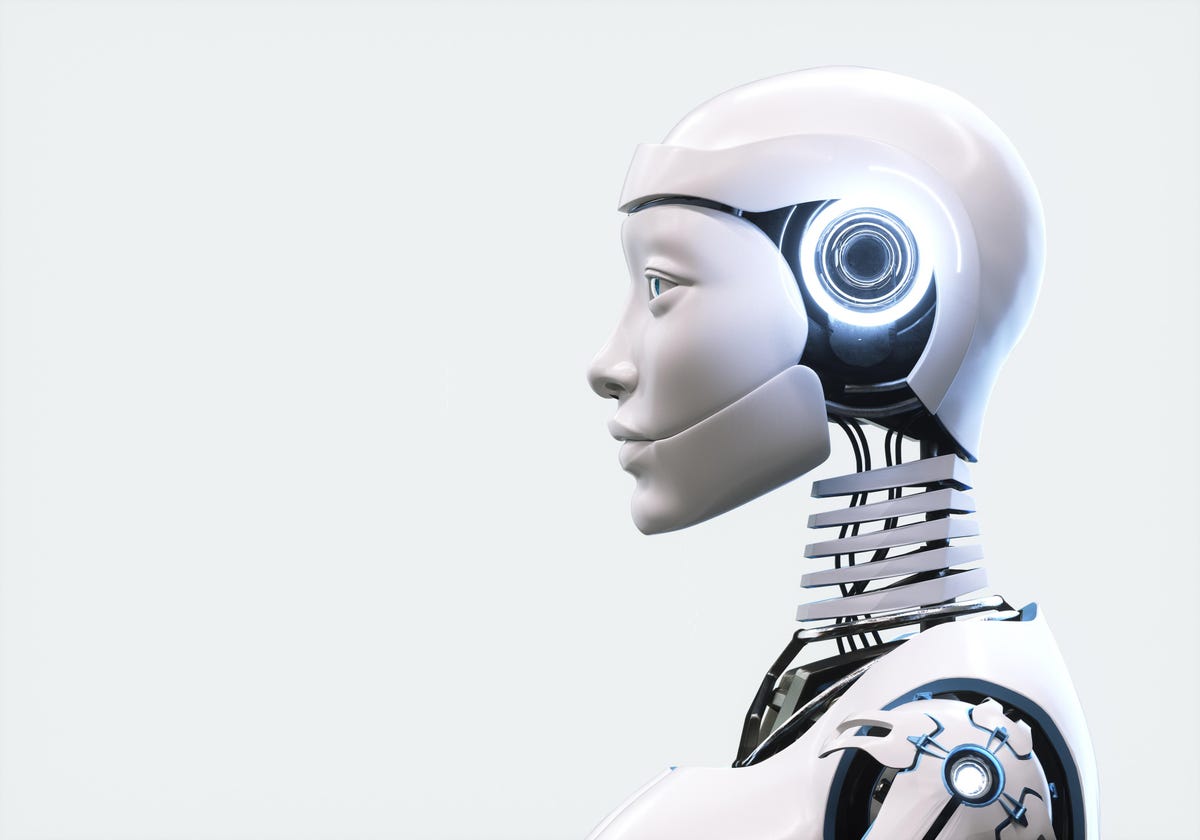
Robots with the help of Artificial Intelligence (A.I) has helped improve the rate of productivity in our society. This is because the work rate of a human cannot be compared to
.

 Dankid Technologies